
The Capital Intensity Barrier in C&I Decarbonization
Industrial operations throughout the Gulf Cooperation Council (GCC) face an operational paradox. While national mandates such as the UAE Net Zero 2050 strategic initiative compel manufacturing, logistics, and heavy commercial enterprises to slash Scope 1 and Scope 2 carbon emissions, enterprise capital expenditure remains fiercely contested. In mature industrial hubs—including Jebel Ali Free Zone (JAFZA), Dubai Investments Park (DIP), and Khalifa Economic Zones Abu Dhabi (KEZAD)—energy accounts for up to 35% of operational expenditure. Escalating utility tariffs combined with intense thermal cooling requirements make power consumption a dominant variable cost.
Historically, adopting commercial and industrial (C&I) solar required substantial upfront capital allocation. Factory operators faced unhedged performance risks, lengthy procurement cycles, and the balance-sheet burden of owning non-core generation infrastructure. For multinational supply-chain operators and family-owned conglomerates alike, locking up working capital in photovoltaic (PV) hardware with a seven-to-ten-year internal rate of return (IRR) proved unviable when compared to core capacity expansions.
The SirajPower Strategic Playbook: De-Risking Distributed Solar
Founded in 2015, SirajPower engineered a structural intervention in regional power procurement by introducing institutional-grade distributed solar leasing to the UAE industrial fabric. Originating from Creek Capital and leveraging deep regional operational heritage via the Al Shirawi Group, the entity bypassed the conventional engineering, procurement, and construction (EPC) transactional model. Instead, it institutionalized the fully financed, long-term Energy-as-a-Service (EaaS) architecture.
The operational framework focuses on three pillars:
- Long-Term Yield Securitization: By securing 15- to 20-year Power Purchase Agreements (PPAs) and solar lease arrangements, SirajPower assumes all capital risks, engineering underwriting, regulatory interfacing, and system performance liabilities.
- Vertical Integration of Asset Lifecycle: From regulatory filing under the Dubai Electricity and Water Authority (DEWA) Shams Dubai framework to system commissioning and ongoing operations and maintenance (O&M), the company eliminates intermediary friction and performance slippage.
- Portfolio-Scale Preventive O&M: Operating an automated centralized monitoring hub, SirajPower tracks high-frequency string-level data across more than 100 MWp of operating assets. This mitigation infrastructure counteracts regional performance challenges, notably desert soiling, high ambient temperature derating, and dust deposition.
Deconstructing the Zero-CapEx Solar Leasing Model
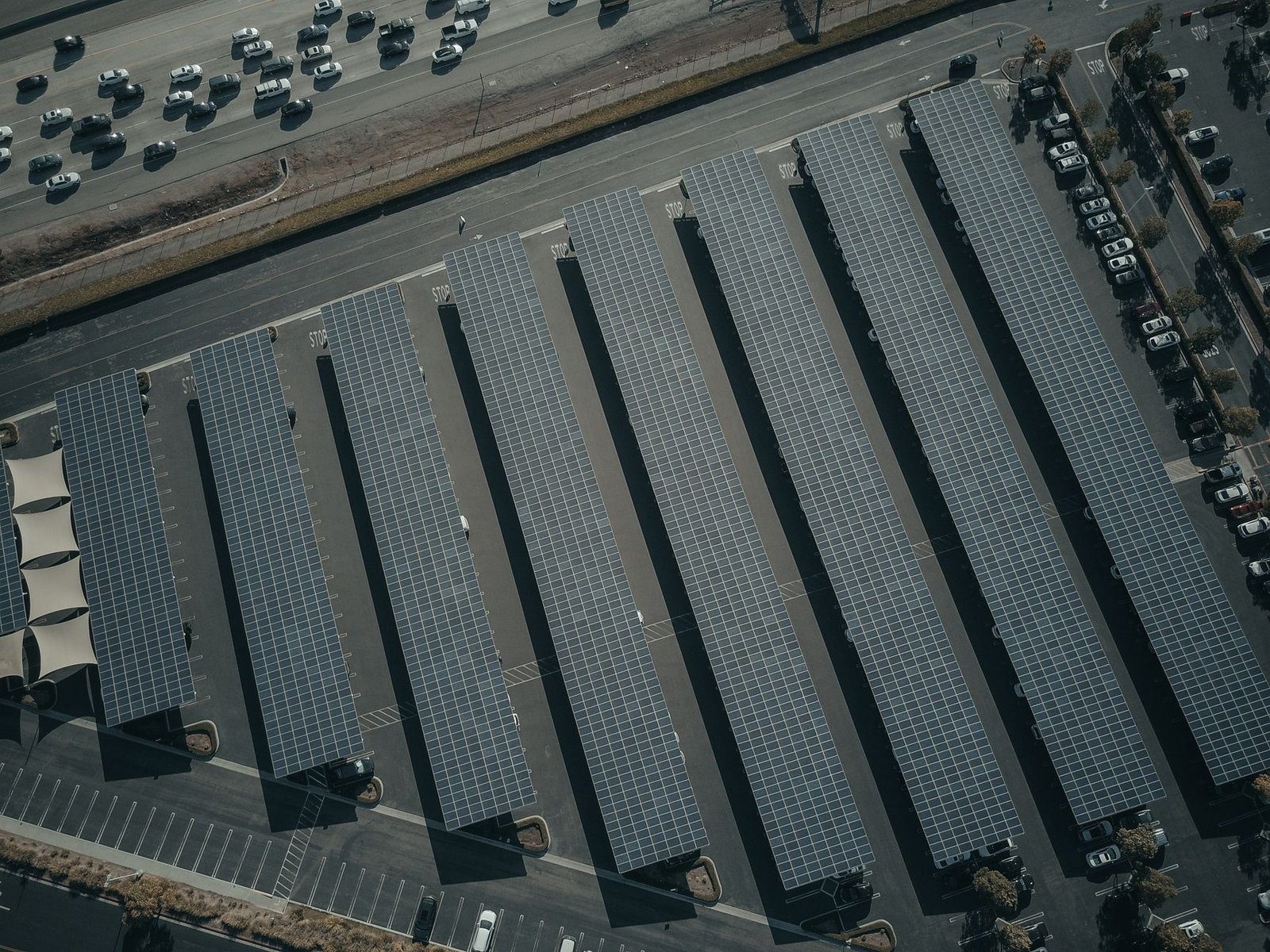
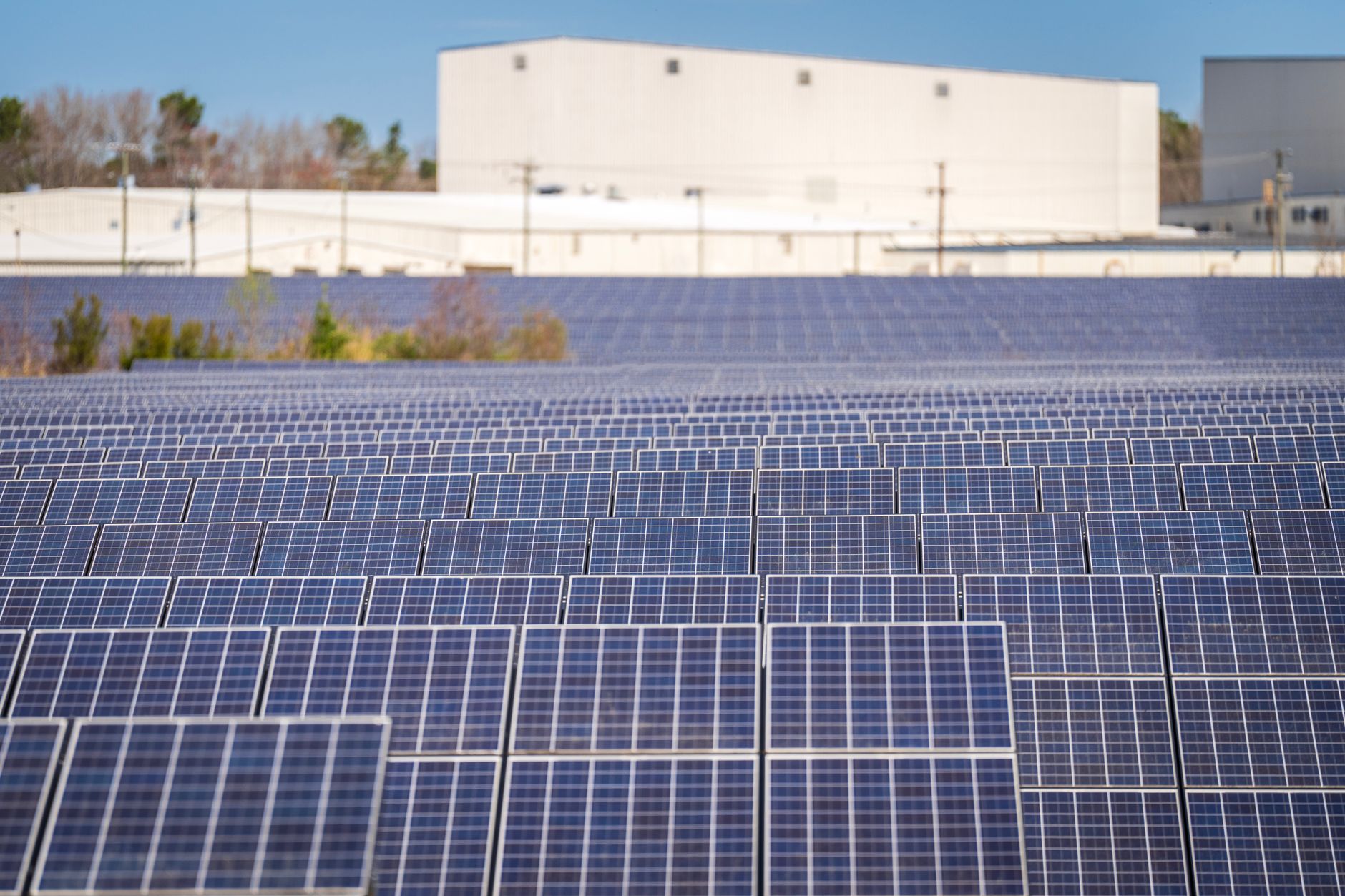
The commercial mechanism underlying SirajPower’s market dominance is the long-term, indexed solar lease. Rather than procuring physical solar assets, industrial clients lease the kilowatt-hour yield generated directly from their own rooftops, carports, and industrial parcels at a structurally discounted rate relative to the local utility grid tariff.
| Operational Parameter | Direct Self-Funded EPC | SirajPower Solar Lease Architecture |
|---|---|---|
| Upfront Capital Expenditure | 100% Client Funded ($800–$1,100 / kWp) | Zero CapEx (Fully Financed by SirajPower) |
| Balance Sheet Treatment | Fixed Asset Addition; Capital Locked | Off-Balance-Sheet Operational Expense |
| Performance & Yield Risk | Borne Entirely by Facility Owner | Borne by SirajPower via Contractual Guarantees |
| O&M and Soiling Mitigation | Outsourced, Unaligned Incentives | Integrated Continuous String-Level Monitoring |
| Immediate Tariff Reduction | Delayed by 7–9 Year Payback Hurdle | Day-One Operational Cost Reductions (15–30%) |
Under this structure, the levelized cost of electricity (LCOE) achieved by the industrial client drops below the grid retail price from commercial operation date (COD). By removing capital competition between sustainability objectives and manufacturing investments, SirajPower transforms environmental compliance into cash-flow-positive corporate finance.
Regional Scaling and Cross-Border Exportability
The expansion trajectory of SirajPower extends beyond Dubai’s utility framework. As Abu Dhabi Department of Energy (DoE) regulations formalize and the Northern Emirates seek distributed efficiency gains, the company has broadened its deployment to inter-emirate industrial real estate, logistics campuses, and educational infrastructure.
The broader GCC landscape represents a compounding market opportunity. In the Kingdom of Saudi Arabia, the National Renewable Energy Program (NREP) and the deregulation of industrial electricity pricing frameworks under the Water and Electricity Regulatory Authority (WERA) have opened immense demand for distributed C&I solar. The rapid development of secondary manufacturing hubs across Dammam, Jubail, and Riyadh requires private decentralized energy generation. SirajPower’s proven deployment playbooks, institutional debt structures, and regional operational data profiles position the company to export its distributed balance-sheet model across borders.
Institutional Capital Mobilization
A structural differentiator for SirajPower is its access to non-recourse project financing and long-term institutional capital. In regional project finance, securing syndicated debt facilities for aggregated distributed portfolios under 100 MWp was previously unprecedented due to underwriting fragmentation. SirajPower broke this bottleneck by pooling long-term off-taker contracts into single debt packages financed by major regional financial institutions, including the Arab Petroleum Investments Corporation (APICORP). This multi-tranche approach lowers the weighted average cost of capital (WACC) and expands deployment velocity across secondary manufacturing sectors.


Discussion (0)