

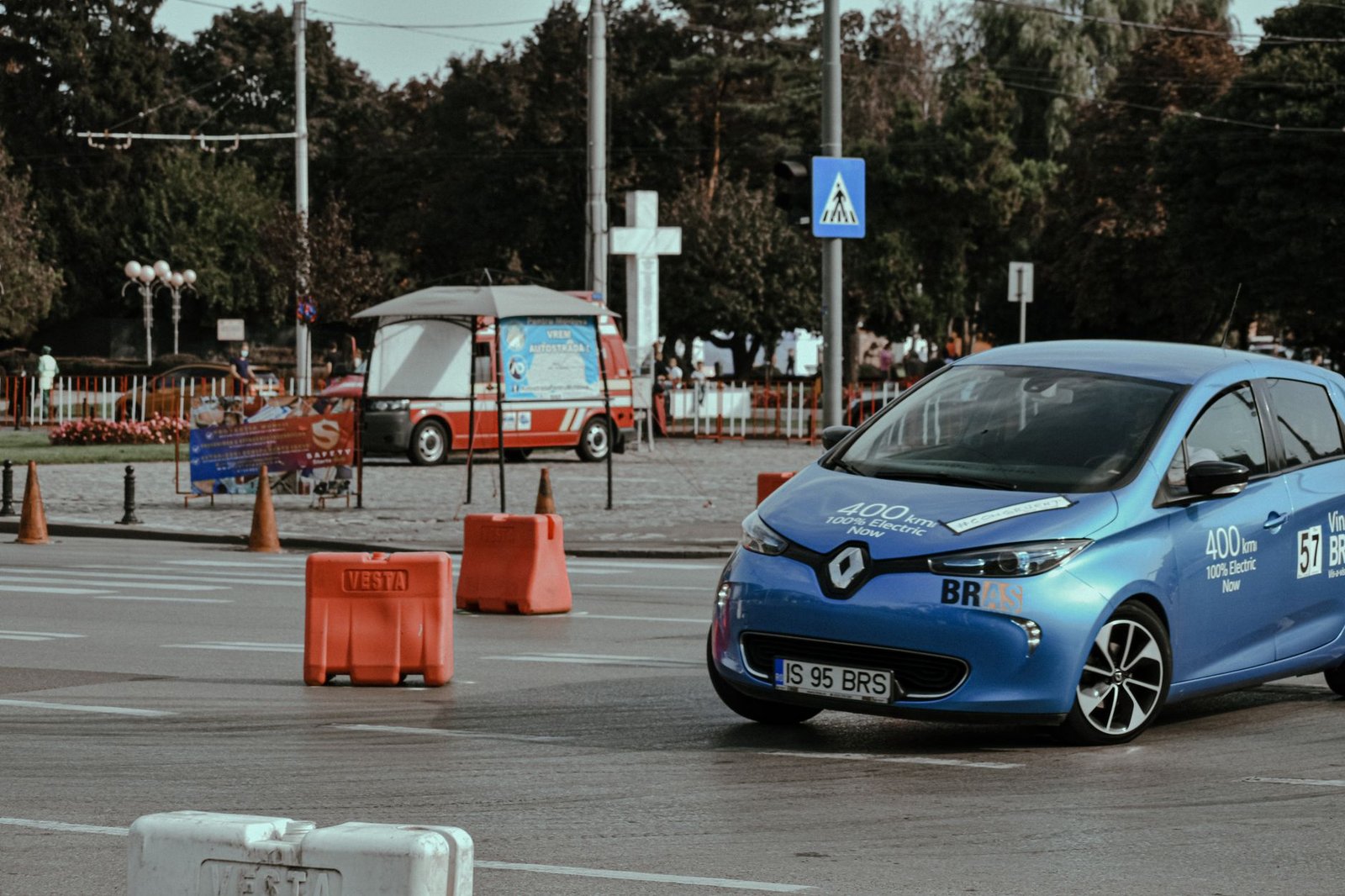
Urban last-mile logistics across the Gulf Cooperation Council (GCC) relies heavily on internal combustion engine (ICE) two-wheelers. In metropolitan centers like Dubai, Riyadh, and Doha, thousands of 125cc to 150cc motorcycles run continuous 14-hour delivery shifts. This fleet configuration produces high localized emissions, volatile fuel expenses, and severe vehicle depreciation driven by ambient temperatures exceeding 50°C (122°F). While logistics aggregators face mounting pressure to decarbonize operations, off-the-shelf electric vehicles (EVs) engineered for temperate climates systematically fail under Gulf operating environments.
Thermal Degradation and the GCC Last-Mile Bottleneck
The core barrier to deploying an electric vehicle delivery fleet GCC operators can rely on is thermal management. Standard commercial electric two-wheelers and light utility vehicles utilize passively cooled lithium-ion battery modules (typically NMC chemistry). When ambient road surface temperatures reach 60°C during Arabian Peninsula summers, cell operating temperatures surge past the critical 45°C threshold. This triggers aggressive battery management system (BMS) thermal throttling, reducing output power, cutting effective range by up to 45%, and accelerating irreversible capacity degradation.
Barq EV was established to eliminate this structural engineering failure. Rather than acting as a standard white-label importer, the UAE-based mobility firm designs and manufactures purpose-built commercial EVs tailored for hyper-arid climates. The company’s engineering platform incorporates active thermal management architectures, ruggedized power electronics, and high-efficiency heat rejection systems capable of maintaining stable cell chemistry under direct solar irradiance and high ambient heat.
Comparative Fleet Economics: Gulf Last-Mile Logistics (36-Month Horizon)
Fleet operators evaluate operational viability through Total Cost of Ownership (TCO) per kilometer rather than ideological sustainability. The table below outlines empirical performance profiles across three commercial delivery paradigms operating under standard GCC climate cycles:
| Metric | Standard ICE Motorcycle (150cc) | Generic Imported EV Bike | Barq EV Purpose-Built Platform |
|---|---|---|---|
| Acquisition Cost (USD) | $2,200 – $2,800 | $3,500 – $4,200 | $4,000 – $4,800 (or MaaS Tier) |
| Energy / Fuel Cost (per 100 km) | $3.80 – $4.50 | $0.65 – $0.85 | $0.70 – $0.90 |
| Summer Range Degradation (>45°C) | 0% (Thermal lockouts rare) | 35% – 50% loss | < 12% loss (Active BMS) |
| Scheduled Maintenance / 10,000 km | $180 (Oil, plugs, belts) | $65 (Brakes, tires) | $55 (Regen braking, telematics) |
| Battery Replacement Cycle | N/A | 10 – 14 Months | 36+ Months (or Battery Swap) |
| Estimated 36-Month TCO (per km) | $0.11 – $0.14 | $0.13 – $0.16 (High downtime) | $0.07 – $0.09 |
The Strategic Playbook: Vertical Integration and Modular Hardware
Barq EV’s market entry rests on three structural pillars designed to integrate directly into existing logistics workflows:
- Proprietary Climate-Proofed Hardware: The flagship vehicles, including the Renaud delivery scooter and customized light three-wheelers, feature specialized insulation, elevated ground clearance for municipal infrastructure variance, and integrated temperature-controlled cargo storage. This prevents food spoilage and pharmaceutical degradation during summer transit.
- Energy Infrastructure via Battery-as-a-Service (BaaS): Fixed-wire depot charging is incompatible with the high asset-utilization models demanded by high-volume delivery aggregators. Barq EV utilizes modular, swappable battery networks. Riders complete battery exchanges in under three minutes, decoupling asset deployment from multi-hour charging windows while transferring battery degradation risk away from fleet operators.
- Integrated Fleet Telematics: Vehicles run proprietary IoT telemetry tracking real-time motor core temperatures, State of Charge (SoC), rider acceleration habits, and predictive maintenance indicators. This data stream feeds directly into commercial dispatch APIs, allowing operators to dynamically route vehicles based on thermal load and battery status.
Capital Efficiency Through Mobility-as-a-Service (MaaS)
GCC logistics operators run on razor-thin operating margins, making large CapEx commitments for unproven EV technologies non-viable. To overcome this balance sheet inertia, Barq EV operates a Mobility-as-a-Service (MaaS) framework. Under this model, third-party logistics providers (3PLs) and on-demand delivery platforms procure fully serviced vehicles, software access, insurance, and battery-swap privileges under variable operational expenditure (OpEx) contracts.
By shifting the capital burden to managed asset pools backed by regional infrastructure funds, Barq EV accelerates unit deployment across high-density urban zones. This framework aligns incentives: Barq EV retains an incentive to design ultra-durable components to minimize warranty and servicing costs, while the logistics partner gains immediate, predictable reductions in per-delivery operational expenses.
Policy Drivers: UAE Net Zero 2050 and Saudi Vision 2030
Macroeconomic shifts across the Gulf provide substantial regulatory momentum for zero-emission last-mile logistics:
- Dubai Green Mobility Strategy 2030: Municipal mandates require government and commercial logistics entities to transition measurable percentages of their operational fleets toward hybrid and full-electric powertrains, with aggressive penalties for non-compliance approaching by decade-end.
- Saudi Arabia’s Vision 2030 Sustainability Directives: As Riyadh and Jeddah expand their geographic logistics corridors, the Saudi Green Initiative and the National Industrial Development and Logistics Program (NIDLP) prioritize the adoption of clean commercial transport systems and local manufacturing capabilities.
These policy interventions create high barriers to entry for low-specification foreign imports that cannot secure local municipal homologation due to safety or thermal non-compliance, leaving enterprise market share open to specialized regional manufacturers.
Cross-Border Scalability: From Gulf Heat to Emerging Market Corridors
The engineering solutions Barq EV developed for GCC summer conditions possess broad international utility. Markets across North Africa, South Asia, and Southeast Asia face matching sets of challenges: extreme summer temperatures, high urban congestion, and an accelerated transition to two-wheeled commercial delivery. An electric vehicle platform validated in 50°C Middle Eastern heat functions reliably in the tropical climates of Jakarta, Cairo, or Mumbai.
By solving for the most demanding thermal operating environment first, Barq EV establishes an exportable hardware and software baseline. As urban density increases and regulatory mandates curb urban ICE emissions globally, purpose-built, high-durability electric vehicle fleets developed in the Gulf are uniquely positioned to compete in international commercial logistics.



Discussion (0)