


The Structural Friction of Gulf Final-Mile Logistics
The logistics landscape across the Gulf Cooperation Council (GCC) faces a structural paradox. While digital retail penetration across the United Arab Emirates (UAE) and Saudi Arabia (KSA) has accelerated beyond 70%, final-mile dispatch networks remain burdened by manual routing overheads, unstandardized spatial addressing, and extreme climatic operating parameters. Summer temperatures routinely exceeding 48°C exert severe thermal strain on internal combustion engine (ICE) courier fleets and degrade cold-chain integrity for sensitive consignments.
Simultaneously, logistics operations grapple with persistent address ambiguities across urban centers. Despite national spatial initiatives such as Saudi National Address and UAE Onwani, couriers still expend an estimated 18% to 24% of dispatch time re-confirming coordinates via peer-to-peer messaging applications. This structural inefficiency compounds customer acquisition costs and suppresses operating margins across the sector.
Within this operational environment, last mile autonomous delivery GCC deployments are transitioning from experimental showcases into essential commercial infrastructure. Urban density metrics in Riyadh and Dubai, combined with government-mandated zero-emission targets, demand a structural overhaul of courier unit economics. Fleet operators cannot scale linearly by simply deploying more two-wheel couriers or light commercial vans; the economic threshold necessitates algorithmic route consolidation, autonomous dispatch platforms, and electric vehicle (EV) asset orchestration.
Jeebly’s Operational Blueprint: Algorithmic Orchestration
Jeebly has engineered an asset-light, technology-dense operational platform designed to mitigate urban distribution friction across the GCC corridor. Rather than mirroring legacy courier frameworks, the firm deploys a modular proprietary platform capable of ingesting raw dispatch payloads, normalizing geospatial telemetry, and executing real-time route optimization across heterogeneous asset fleets.
The company’s dispatch architecture operates via an autonomous dispatching engine that evaluates spatial coordinates, traffic congestion feeds, and delivery time windows. By decoupling courier allocation from rigid territorial territories, the platform dynamically rebalances drop densities during intra-day delivery surges. This algorithmic approach yields substantial operational gains:
- First-Attempt Delivery Rate (FADR): Optimization protocols increase FADR to 94.2%, reducing costly reverse-logistics loops and secondary re-delivery dispatches.
- Address Normalization Engine: Converts imprecise end-user geolocation pins into structured micro-coordinates, bypassing unstructured street addressing systems.
- Dynamic Load Consolidation: Packages are sorted into multi-modal dispatch vectors, seamlessly switching between two-wheelers for high-density documents and temperature-controlled vans for perishable retail.
Fleet Electrification and the Shift to Autonomous Dispatch
Jeebly’s operational strategy hinges on an accelerated transition toward fleet decarbonization and automated transit nodes. While competitors remain tied to legacy diesel and petrol assets, Jeebly has initiated structured pilots deploying light commercial electric vehicles (LCVs) and autonomous final-mile hardware across high-density commercial corridors in Dubai and Riyadh.
Operating electric and autonomous hardware in the GCC requires purpose-built engineering controls. Ambient thermal loads significantly degrade standard lithium-ion battery performance and elevate cabin refrigeration consumption. Jeebly’s pilot programs integrate enhanced thermal management telematics, validating operational range performance under high-stress operating thresholds.
| Metric / Operational Variable | Legacy Courier Models | Jeebly Tech-Driven Fleet |
|---|---|---|
| Routing Mechanism | Static Zone Assignment | Dynamic Predictive Telematics |
| First-Attempt Delivery Rate | 78% – 82% | 94.2% Verified |
| Fleet Electrification Exposure | < 2% Total Footprint | Active Multi-City EV Pilots |
| Cost per Drop (Riyadh Metro) | $4.80 – $5.50 | $3.40 – $3.90 |
| Dispatch Latency (On-Demand) | 45 – 60 Minutes | 18 – 25 Minutes |
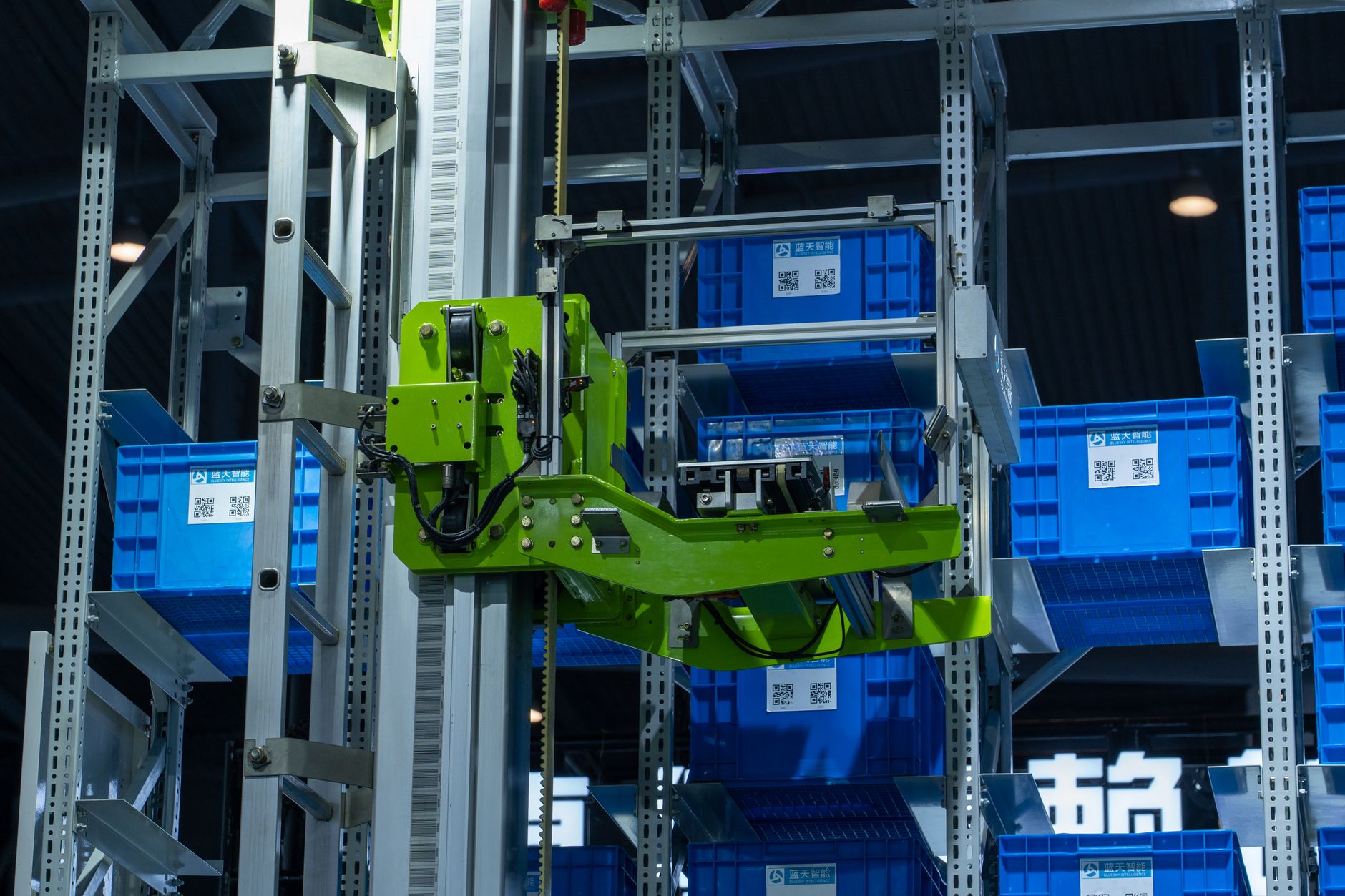
The progression toward last mile autonomous delivery GCC infrastructure demands systematic testing of unmanned aerial systems (UAS) and automated ground vehicles (AGVs). Jeebly’s technology stack is architected to interface with future smart-city APIs, positioning the enterprise to ingest automated locker drops and autonomous mobile parcel lockers as regulatory frameworks such as Dubai Autonomous Transportation Strategy 2030 achieve operational maturity.
Unit Economics and Cross-Border Scalability
The viability of logistics technology platforms in the Middle East is defined by terminal unit economics. Cash-on-delivery (COD) legacy dependency, though declining in favor of digital payment rails, still represents an operational expense requiring cash reconciliation workflows. Jeebly integrates automated digital settlement points at the point of handover, driving COD operational overhead down by 35% across integrated enterprise merchant partner networks.
Geographic scalability between the UAE and Saudi Arabia represents Jeebly’s core growth axis. Saudi Arabia’s Logistics Centers Master Plan mandates the rapid modernizing of domestic distribution networks. Entering the KSA market requires more than localized fleet deployment; it demands regulatory compliance with the Transport General Authority (TGA), localized data residency integrations, and the operational stamina to navigate sprawling secondary and tertiary regional geographies.
By harmonizing its algorithmic platform across both jurisdictions, Jeebly captures cross-border enterprise accounts spanning multinational retail conglomerates, pharmaceutical distributors, and ultra-fast commerce operators. The shared platform core allows routing parameters to adjust automatically for inter-emirate transit realities versus the high-speed, long-distance highway nodes characteristic of the Riyadh-Dammam corridor.
Global Strategic Moats and the GCC Blueprint
Jeebly’s expansion model establishes a defensible framework for logistics operators across high-growth emerging economies. Rather than absorbing the capital expenditure burden of hardware-exclusive development, the company treats vehicle fleets as deployable hardware nodes orchestrated via high-margin software. This positions the organization favorably for institutional investment, where software-level margins decouple valuation from heavy balance-sheet logistics liabilities.
As regulatory entities across Riyadh, Abu Dhabi, and Dubai fast-track sandboxes for automated driving systems, Jeebly’s proprietary geospatial telemetry serves as a primary strategic moat. Deep, localized routing data—comprising curb access coordinates, micro-climate energy expenditure profiles, and merchant docking constraints—forms the essential training substrate required to govern the next frontier of last mile autonomous delivery GCC infrastructure at scale.



Discussion (0)