

Architectural Defense: The GCC Data Sovereignty Imperative
The Gulf Cooperation Council (GCC) faces an acute infrastructure tension: an accelerating demand for frontier generative artificial intelligence set against strict statutory frameworks governing national data residency. For regional policymakers and state-backed enterprises, running classified, biometric, healthcare, or financial telemetry through foreign public hyperscalers presents jurisdictional exposure under frameworks such as the United States CLOUD Act. In response, sovereign computing has shifted from a compliance check-box to a foundational pillar of national defense and economic strategy.
Core42, established through the consolidation of G42 Cloud, Injazat, and Inception under the Abu Dhabi-based technology group G42, directly addresses this infrastructural deficit. The operational mandate is straightforward: deploy high-performance compute clusters and specialized sovereign cloud environments entirely contained within UAE territory, insulating domestic public-sector intelligence and regulated private-sector workloads from foreign legal discovery or extraterritorial surveillance.
The Strategic Stack: Compute Clusters and Sovereign Governance
Rather than relying purely on commodity enterprise virtualization, Core42 engineers its platform around two primary technological layers: sovereign virtualization fabrics and purpose-built supercomputing topologies configured for distributed deep learning.
1. High-Density Compute Fabric
At the center of Core42’s AI infrastructure is its partnership with Cerebras Systems to architect the Condor Galaxy supercomputer series. Unlike standard hyperscale availability zones optimized for parallel microservices, these clusters are optimized for sparse model training and massive linear algebra operations. Condor Galaxy 1 and 2 deliver multi-exaFLOP capabilities dedicated to training foundational models such as the open-source Arabic-centric Jais Large Language Model (LLM). This setup allows state agencies to fine-tune 13-billion to 70-billion parameter models on sovereign data sets without moving a single byte outside national borders.
2. The Sovereign Cloud Core
Complementing its high-density AI nodes, Core42 operates sovereign cloud platform zones hosted across Khazna Data Centers. This fabric complies with UAE Federal Decree-Law No. 45/2021 on Personal Data Protection, Telecommunications and Digital Government Regulatory Authority (TDRA) standards, and critical information infrastructure regulations. Network isolation is achieved via hardware air-gapping, sovereign key management services where the cryptographic root-of-trust remains in-country, and localized identity access management (IAM).
Comparative Infrastructure Architecture
Understanding Core42’s structural value requires an evaluation against incumbent global hyperscale operating models:
| Operational Attribute | Standard Global Hyperscaler | Core42 Sovereign Fabric |
|---|---|---|
| Jurisdictional Exposure | Subject to US CLOUD Act, foreign court discovery, and cross-border sub-processing. | Pure domestic legal jurisdiction; cryptographic roots retained strictly within the UAE. |
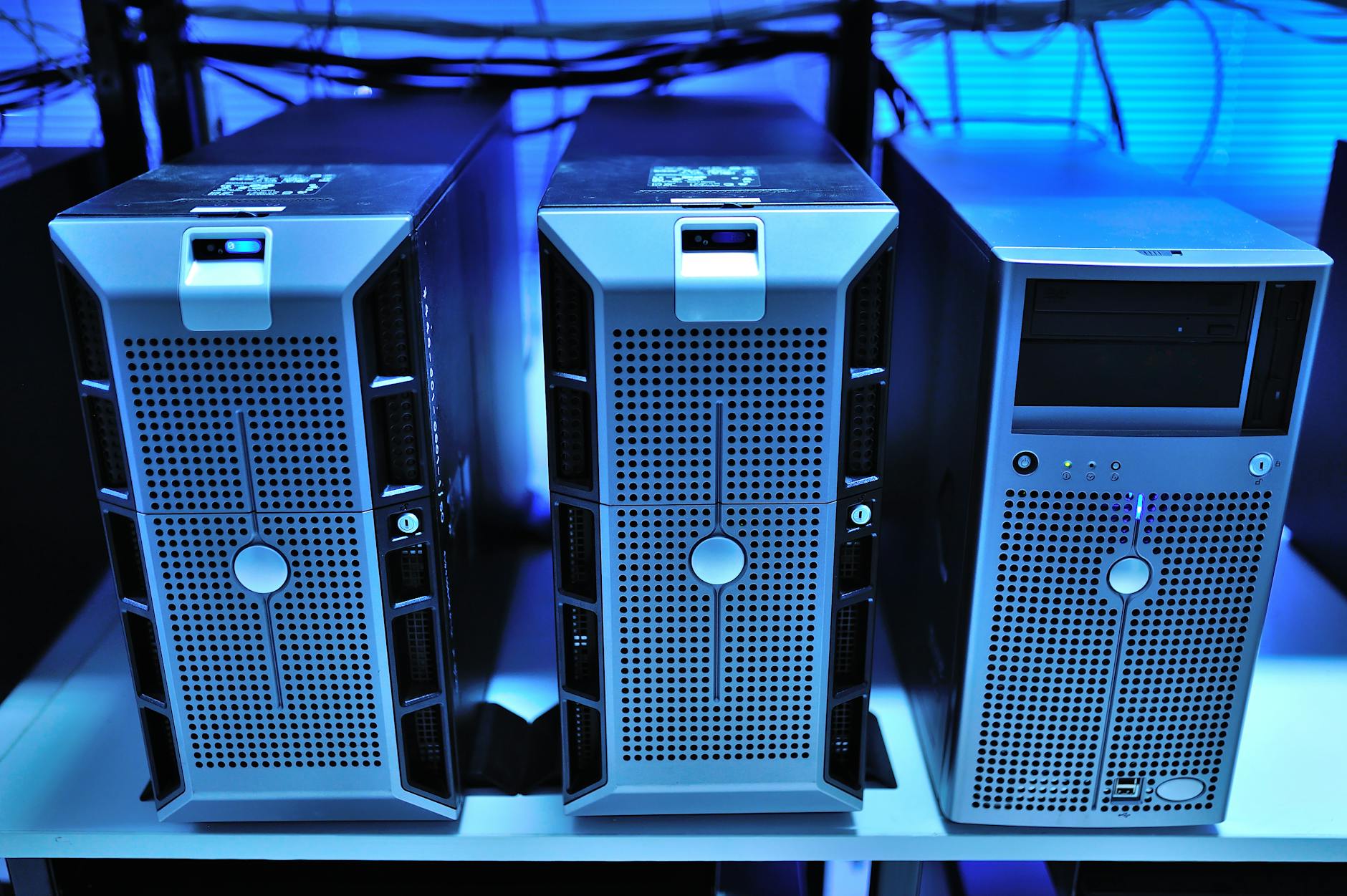
| Hardware Allocation | Generalized multi-tenant vCPU/vGPU slices optimized for horizontal scaling. | High-density contiguous accelerator clusters (Cerebras CS-2/CS-3, NVIDIA HGX) tuned for LLM runs. |
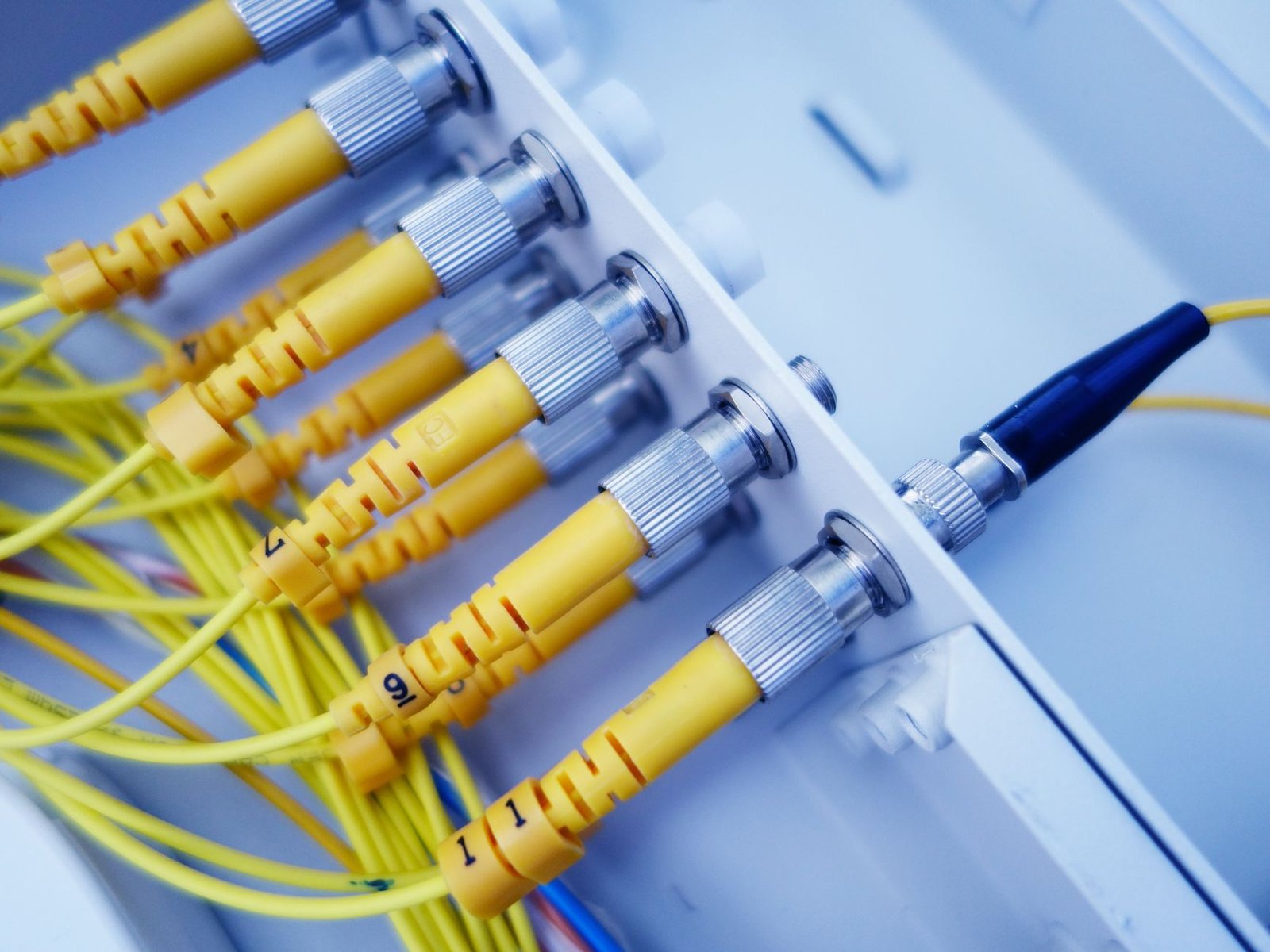
| Data Ingestion Architecture | Shared transit backbones; transit path optimized for global edge rather than localized containment. | Direct dark-fiber connectivity to sovereign data centers, isolated from external transit fabrics. |
| National Language Tuning | Generic pre-training runs with secondary Arabic tokenization layers. | Direct native training on clean dialectal and Modern Standard Arabic sovereign corpora. |
Unit Economics and the Sovereign Monetization Engine
Core42 avoids competing in price wars for commodity compute against AWS, Google Cloud, or Microsoft Azure. Instead, its financial profile mirrors an infrastructure concession model backed by long-term government procurement and multi-year enterprise transformation mandates.
- Long-Duration Sovereign Take-or-Pay Contracts: The foundation of Core42’s operational income rests on multi-year commitments from UAE federal ministries, healthcare platforms (such as PureHealth), state energy operators, and sovereign financial groups. These agreements feature guaranteed baseline compute utilization, insulating the enterprise from the utilization swings common to consumer-facing public clouds.
- Capital Amortization via High-Utilization Workloads: High-performance computing assets degrade rapidly in capital efficiency if idle. By running continuous sovereign training pipelines—continual fine-tuning of national models, predictive national analytics, and genomic sequence matching—Core42 maintains structural utilization rates that offset the steep upfront CAPEX of cutting-edge silicon.
- Value-Added Platform Services: Enterprise margins are augmented through managed AI platforms. Rather than providing bare metal access alone, Core42 monetizes the full software stack: deploying Jais-as-a-Service, localized RAG (Retrieval-Augmented Generation) frameworks, and managed sovereign cybersecurity operations.
Geopolitical Trade-Offs and Cross-Border Expansion
Operating a sovereign compute powerhouse within the GCC requires maneuvering through complex geopolitical realities. Advanced AI clusters rely primarily on high-end Western semiconductor supply chains, specifically from NVIDIA and Cerebras. Consequently, Core42 and parent entity G42 have undertaken clear strategic alignments with Western regulatory expectations, including deepening technical alliances with Microsoft via a $1.5 billion strategic investment and rationalizing exposure to parallel hardware ecosystems.
This positioning enables Core42 to export its sovereign cloud model beyond the UAE. Regional markets across the GCC, North Africa, and Central Asia increasingly seek to replicate the Abu Dhabi template: sovereign operational command combined with globally recognized hardware architectures. By decoupling sovereign regulatory management from the proprietary underlying silicon, Core42 positions itself not simply as an infrastructure provider, but as the benchmark sovereign deployment partner across the Global South.



Discussion (0)