

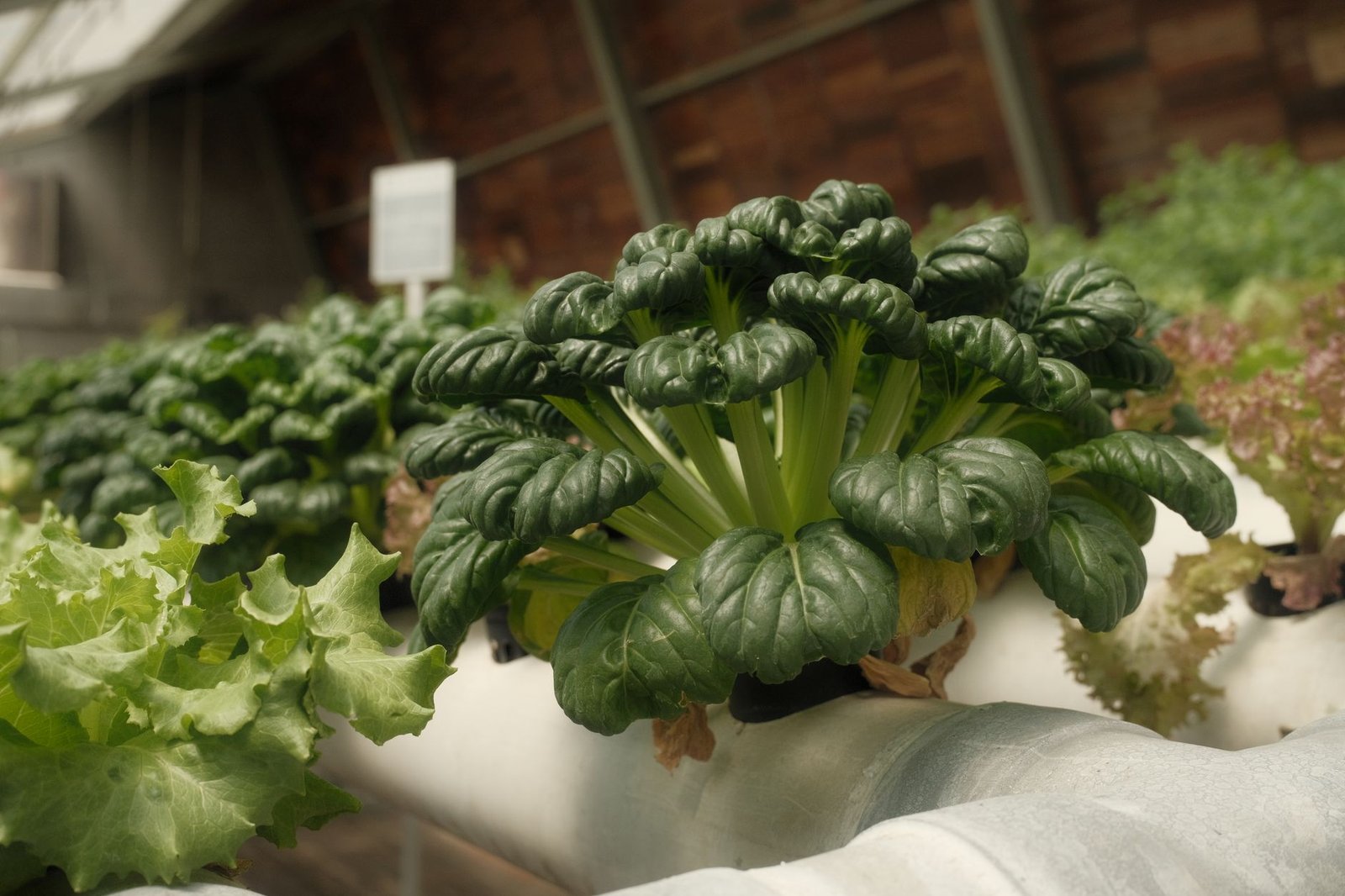
The Gulf Cooperation Council (GCC) imports roughly 85% to 90% of its total food supply, a structural vulnerability exposed to shipping disruptions, fuel volatility, and extreme climate constraints. In premium agriculture, the dependency has historically been absolute: tender botanicals, microgreens, and delicate herbs faced 7,000-kilometer cold chains originating in European greenhouses. The consequence was severe product degradation, 30% to 50% post-harvest spoilage rates, and exorbitant freight expenditure passed to institutional buyers.
The GCC Import Deficit and Controlled Environment Agriculture
The economic imperative for controlled-environment agriculture (CEA) across the Arabian Peninsula is defined by resource scarcity. The UAE features an arid climate with average summer temperatures exceeding 45°C, minimal arable land (under 1% of total land area), and depleted freshwater reserves that rely almost exclusively on energy-intensive desalination. Under these operational constraints, traditional horizontal farming of high-value perishables is economically non-viable.
Badia Farms entered this macro environment as the GCC’s first commercial high-tech vertical farm, targeted deliberately at high-yield, short-cycle botanicals. Rather than pursuing commodity field crops like wheat or bulk tomatoes—where capital expenditure amortisation struggles against low global market prices—Badia Farms focused on microgreens, edible flowers, and specialty herbs. This focus directly attacked the high margin, high wastage segment of the regional hospitality supply chain.
Structural Economics of Traditional Imports vs. Local Hydroponics
Traditional wholesale supply chains for microgreens rely on air freight from the Netherlands, France, or Kenya. The landed cost includes volatile spot air cargo rates, cold storage handling charges, distributor markups, and structural loss from transit shock. In contrast, local CEA deployments substitute variable logistics costs with fixed capital infrastructure and domestic utility inputs.
| Metric | Imported Supply Chain (Air Freight) | Badia Farms CEA Model |
|---|---|---|
| Transit Time | 72 to 120 Hours | 2 to 12 Hours |
| Water Consumption per kg | 250–350 Liters (Field Average) | 10–15 Liters (Closed Loop) |
| Shelf Life Post-Delivery | 2 to 4 Days | 10 to 14 Days |
| Supply Volatility | High (Seasonal/Logistical) | Zero (Climate Controlled) |
| Cold Chain Spoilage | 15% to 25% | Under 2% |
The Strategic Playbook: Architectural and Biological Optimization
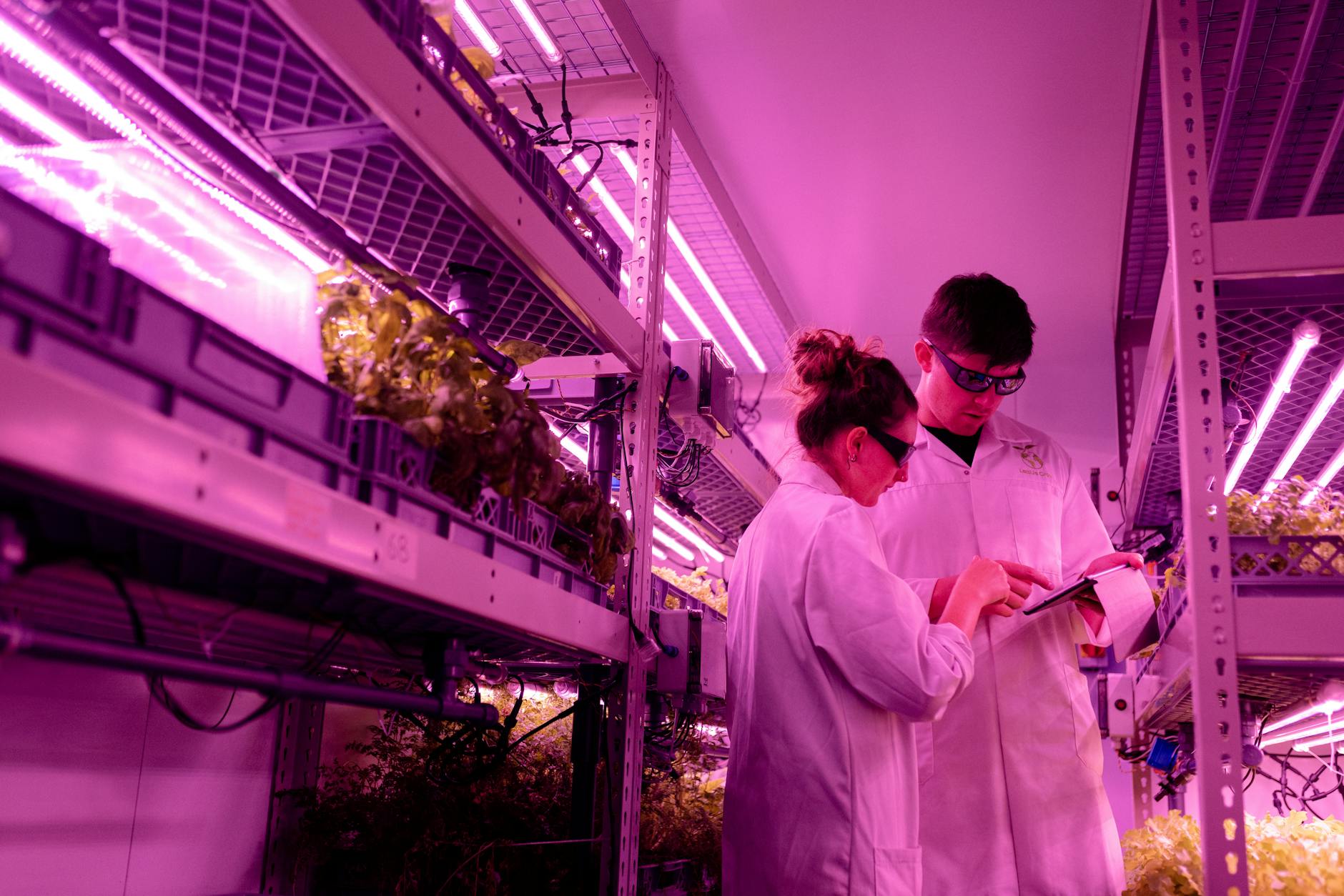
Scaling commercial hydroponic microgreens UAE facilities requires solving a core physics challenge: heat rejection and power consumption. Hydroponic multi-tier systems require constant photosynthetically active radiation (PAR) spectra delivered by high-efficiency LED arrays. These fixtures generate thermal loads that require precision HVAC engineering in desert environments.
Badia Farms addressed this operational expenditure challenge through several operational strategies:
- Precision Spectral Tuning: The operation deployed narrow-band LED fixtures focused strictly on the red and blue absorption peaks required for rapid vegetative development. By eliminating waste heat across non-functional light spectra, cooling demands dropped by approximately 22% compared to standard broad-spectrum horticultural lighting.
- Closed-Loop Recirculating Hydroponics: The facility recycles transpiration water collected via dehumidification systems alongside runoff nutrient solutions. This architecture reduces baseline freshwater requirements by up to 90% relative to open-field systems and preserves chemical balances without effluent discharge into local municipal infrastructure.
- Substrate Customisation: By replacing imported peat moss with biodegradable, pathogen-free growing mats, Badia Farms reduced bioburden risks, eliminated soil-borne pathogens, and accelerated harvest-to-packaging throughput times.
Business Model: Monetizing High-Density, Short-Cycle Crops
Microgreens exhibit an production profile that fits commercial urban farming parameters. With seed-to-harvest cycles running between 7 and 14 days, a facility can achieve between 26 and 52 crop turns per year on each vertical tier. This production velocity transforms unit economics compared to traditional leafy greens, which demand 35 to 45 days per cycle.
B2B Hospitality Penetration
Badia Farms secured foundational volume through bilateral forward contracts with five-star hospitality operators, airline catering companies (including Emirates Flight Catering partners), and high-end restaurateurs across Dubai and Abu Dhabi. In these commercial kitchens, micro-basil, red amaranth, mustard cress, and edible violas serve as non-negotiable culinary plating requirements. The local production model delivers two distinct economic advantages to executive chefs:
- Extended Usability: Living microgreens or stems harvested hours prior to delivery retain structural turgor and cellular integrity, extending usable culinary shelf-life by up to 10 days over imported alternatives.
- Predictable Contract Pricing: Hydroponic supply agreements isolate enterprise buyers from seasonal European winter price spikes and unexpected air cargo fuel surcharges.
Retail Expansion and Consumer Packaging
Following commercial foodservice saturation, Badia Farms transitioned to the tier-one retail sector, placing branded consumer packs in regional supermarket operators such as Carrefour, Spinneys, and Choithrams. Retail microgreens command significant margins per gram compared to mature lettuce varieties, shielding the farm from retail slotting fee pressures while establishing brand recognition among affluent domestic consumers seeking pesticide-free produce.
Capital Allocation and GCC Expansion Potential
The broader Middle Eastern CEA sector has absorbed extensive venture capital, yet several mega-facilities struggle with operational overhead, unhedged energy costs, and poor crop-to-market fit. Badia Farms differentiated its deployment by avoiding debt-heavy multi-hectare mega-structures before proving single-facility unit economics.
Future expansion trajectories within the GCC encompass geographic replication and biological diversification:
- Saudi Arabian Market Integration: The expansion of luxury tourism developments across Riyadh, Diriyah, and the Red Sea project represents an addressable market for high-grade culinary botanicals. Scaling modular CEA nodes into Saudi Arabia capitalizes directly on the Vision 2030 domestic food security mandates.
- Nutraceutical and Cosmetic Offtake: Beyond plate garnishes, micro-varieties possess concentrated phytochemical profiles. Future revenue diversification pathways involve supplying raw biological feedstocks to regional wellness and cosmetic manufacturers.
- Integration with Solar Distributed Generation: Offsetting baseline daytime cooling and lighting loads through commercial rooftop photovoltaic arrays directly lowers marginal cost per kilogram, mitigating regional power utility tariff increases.
Operational Realities and Strategic Outlook
Controlled-environment agriculture is fundamentally an industrial manufacturing discipline governed by biological limits. The longevity of operators in this sector depends on strict yield predictability, automated sanitation protocols to prevent crop-wide mold failures, and continuous cost optimization of the seed, power, and labor nexus.
Badia Farms illustrates how localized production of high-density culinary crops can establish import replacement in an extreme climate. By targeting commercial hydroponic microgreens UAE demand profiles, the enterprise bypassed low-margin commodity price wars, demonstrating that technical optimization paired with high-value product-market fit can establish resilient agricultural operations in desert ecosystems.


Discussion (0)