

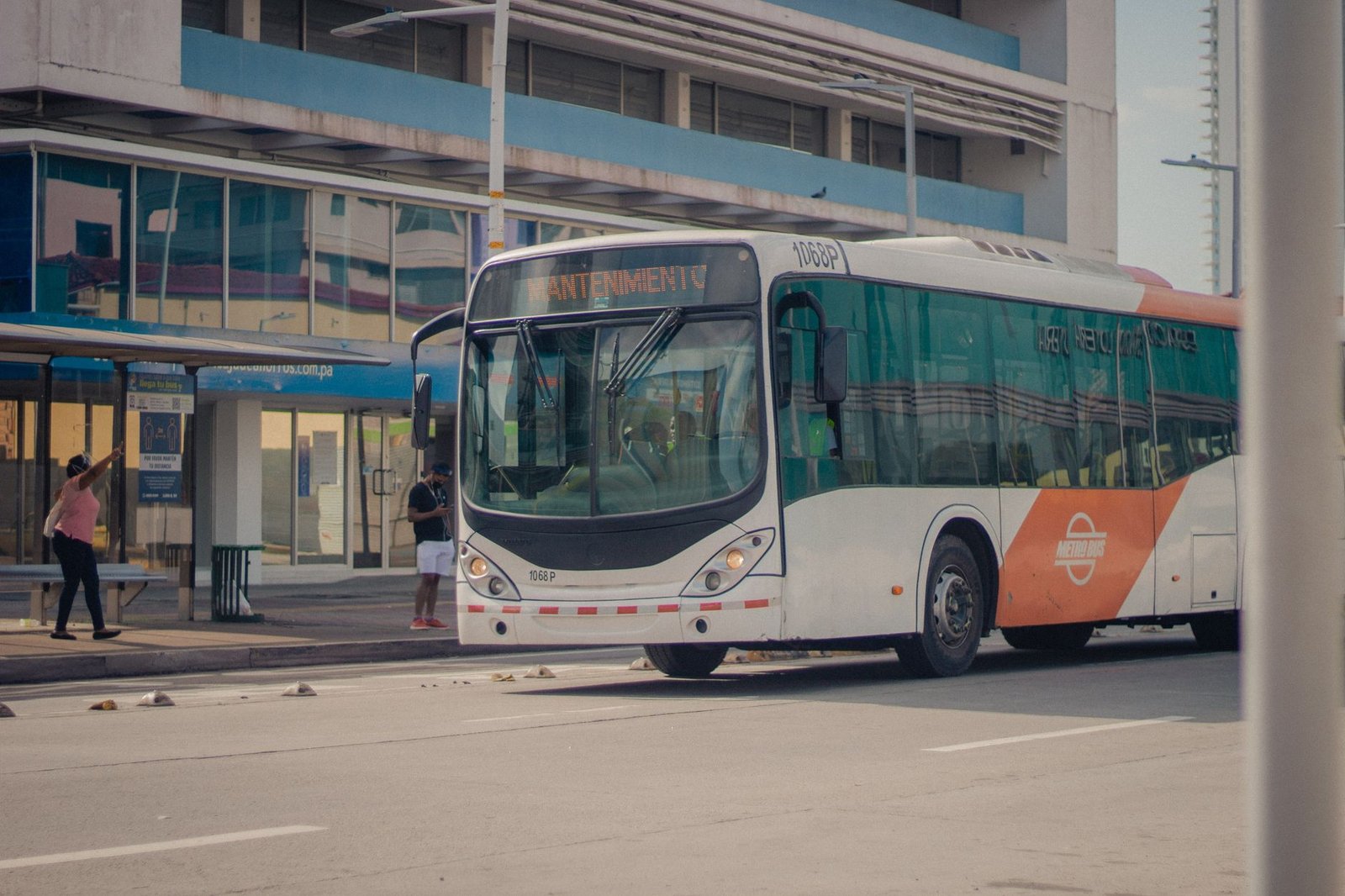
Urbanization across emerging markets consistently outpaces municipal infrastructure development. In metropolises such as Cairo, Nairobi, Karachi, and São Paulo, capital-intensive rail systems and regulated municipal bus networks account for less than a third of daily passenger trips. The resulting vacuum has historically been occupied by informal, fragmented transit systems: privately operated minibuses, vans, and micro-buses operating without central scheduling, standardized safety benchmarks, or transparent fare architecture.
Founded in Cairo in 2017 by Mostafa Kandil, Mahmoud Nouh, and Ahmed Sabbah, Swvl introduced a software-driven orchestration layer to formalize this distributed private fleet capacity. Rather than purchasing capital-intensive rolling stock, Swvl operated as an asset-light marketplace, matching commuters on standardized semi-fixed corridors with independent bus operators. The company’s trajectory—from hyper-growth B2C transport aggregator to a public entity listed on Nasdaq via Queen’s Gambit Growth Capital, followed by a drastic capital restructuring—presents critical strategic lessons for deploying enterprise mobility solutions in infrastructure-constrained economies.
The Infrastructure Deficit: Fragmentation in Megacity Transit
The core structural failure in emerging market mobility lies not in vehicle supply, but in systemic capacity allocation. In Cairo alone, informal transit accounts for tens of millions of daily commutes. However, legacy operations suffer from severe yield inefficiencies:
- Unpredictable Headways: Informal operators optimize solely for load factor per run, waiting at informal terminals until vehicles reach 100% capacity, inflicting severe time penalties on commuters.
- Suboptimal Asset Utilization: Vehicles experience elevated deadhead mileage outside peak commuter windows (07:00–09:30 and 16:30–19:30), depressing daily asset return for fleet owners.
- Cash Leakage and Zero Route Analytics: Fares are collected exclusively in physical cash, resulting in 10% to 15% revenue leakage and preventing municipal authorities from accessing origin-destination (O-D) transit matrices.
Ride-hailing protocols like Uber and Careem failed to resolve mass commuter volume due to prohibitive unit economics. In regions where average daily earnings sit below $15, point-to-point private passenger transport represents an unsustainable discretionary expense for middle-income workers. Swvl identified that the median addressable market required shared transit priced at an 80% discount to passenger cars, yet maintaining a predictable, air-conditioned service level unattainable on municipal buses.
The Strategic Playbook: Algorithmic Routing and Virtual Bus Stops
Swvl bypassed the traditional multi-billion-dollar sovereign transit balance sheet by engineering dynamic routing software atop existing parallel capacity. Its operational playbook relied on three architectural pillars:
1. Dynamic Demand Aggregation
Rather than deploying fixed routes irrespective of load shifts, Swvl mapped virtual corridors using mobile application search data. When prospective passengers query trips between suburban residential nodes (such as New Cairo or 6th of October City) and central business districts (like Smart Village or Downtown Cairo), the platform runs clustering algorithms to aggregate clusters along continuous corridors. Virtual bus stops were created at safe pedestrian intersections within a 500-meter radius of registered passenger origins.
2. Asset-Light Supply Underwriting
Swvl engaged commercial fleet operators, tour bus companies, and individual multi-passenger vehicle owners who suffered from structural downtime during corporate off-hours. Swvl offered operators predictable minimum guarantees or distance-linked payments, turning volatile farebox collections into contracted recurring yields for small-to-medium fleet owners.
3. B2C to TaaS Strategic Pivot
As capital allocation contracted globally in early 2022, Swvl recognized the structural exposure of its consumer-facing (B2C) operations: low take-rates, sensitivity to localized fuel subsidies, and persistent rider acquisition costs. The company shifted operational emphasis toward high-margin institutional verticals: Transit-as-a-Service (TaaS) and Software-as-a-Service (SaaS).
By licensing its routing and scheduling stack directly to multinational corporations, universities, and schools to manage enterprise workforce transportation, Swvl secured high-retention multi-year contracts with upfront cash flows, effectively de-risking operational margins from consumer volatility.
Unit Economics and Financial Architecture
The transition from private growth capital to the public equity markets exposed the fragility of high-volume, low-margin transit tech when unhedged against sovereign macroeconomic volatility.
| Operational Metric | Early Stage B2C Commute (2018-2021) | Enterprise TaaS Model (2022-Present) | Municipal Rail/BRT (Benchmark) |
|---|---|---|---|
| Gross Margin Profile | -15% to +5% (Heavily Subsidized) | +18% to +32% | Negative (Requires 40-70% State Subsidy) |
| Capital Intensity | Asset-Light (Software / Route Guarantees) | Pure Software / B2B Fleet Dispatch | Ultra-High ($10M-$50M per km) |
| Customer Churn Rate | High (Price Sensitive Consumers) | Low (< 2% Annual Enterprise Churn) | Zero (Monopolistic Captive Market) |
| Revenue Predictability | Volatile Daily Discretionary Spend | Contracted Multi-Year Retainers | Farebox Volatility Hedged by Taxes |
Swvl’s initial public valuation of approximately $1.5 billion via its April 2022 Nasdaq debut collapsed as the Federal Reserve initiated monetary tightening. The cost of financing low-contribution consumer routes in Egypt, Pakistan, and Kenya expanded exponentially as localized currencies suffered steep devaluations against the US dollar. Swvl consumed significant capital attempting to subsidize consumer adoption on high-churn routes.
The management team responded with comprehensive structural adjustments: halting non-core B2C routes across high-burn geographies, cutting corporate overhead by over 70%, and executing tuck-in enterprise acquisitions like Volt Lines in Turkey and door2door in Germany. This redirected the enterprise towards margin-accretive software integration rather than regional route subsidization.
Global Portability: Deploying the Model in Latin America and Beyond
The operational framework engineered by Swvl demonstrates high transportability across megacity environments exhibiting similar macro indicators: high vehicle density, rapid peri-urban sprawl, undercapitalized municipal rail, and dense informal transport networks.
Latin America represents a prime proving ground. Metropolises like Mexico City, Bogotá, and São Paulo share mobility pain points identical to those in the Middle East and North Africa. By integrating its algorithmic fleet software into corporate shuttle services, Swvl showed that tech-enabled private mass transit does not require direct infrastructure funding from state budgets to improve transit efficiency. Instead, capital can be focused on routing intelligence, payment processing layers, and capacity balancing.
For sovereign wealth managers, international development finance institutions (DFIs), and municipal policymakers, the Swvl enterprise trajectory underscores an inescapable principle of mass transit tech emerging markets: consumer route subsidization without captive infrastructure ownership leads to balance sheet deterioration during macro shocks. Conversely, software layers that formalize and monetize existing private fleet capacity provide an economically sound bridge between capital-intensive state megaprojects and disorganized urban transit networks.




Discussion (0)